
Child Labor in Morocco: INSAF Marks 20 Years of Impact
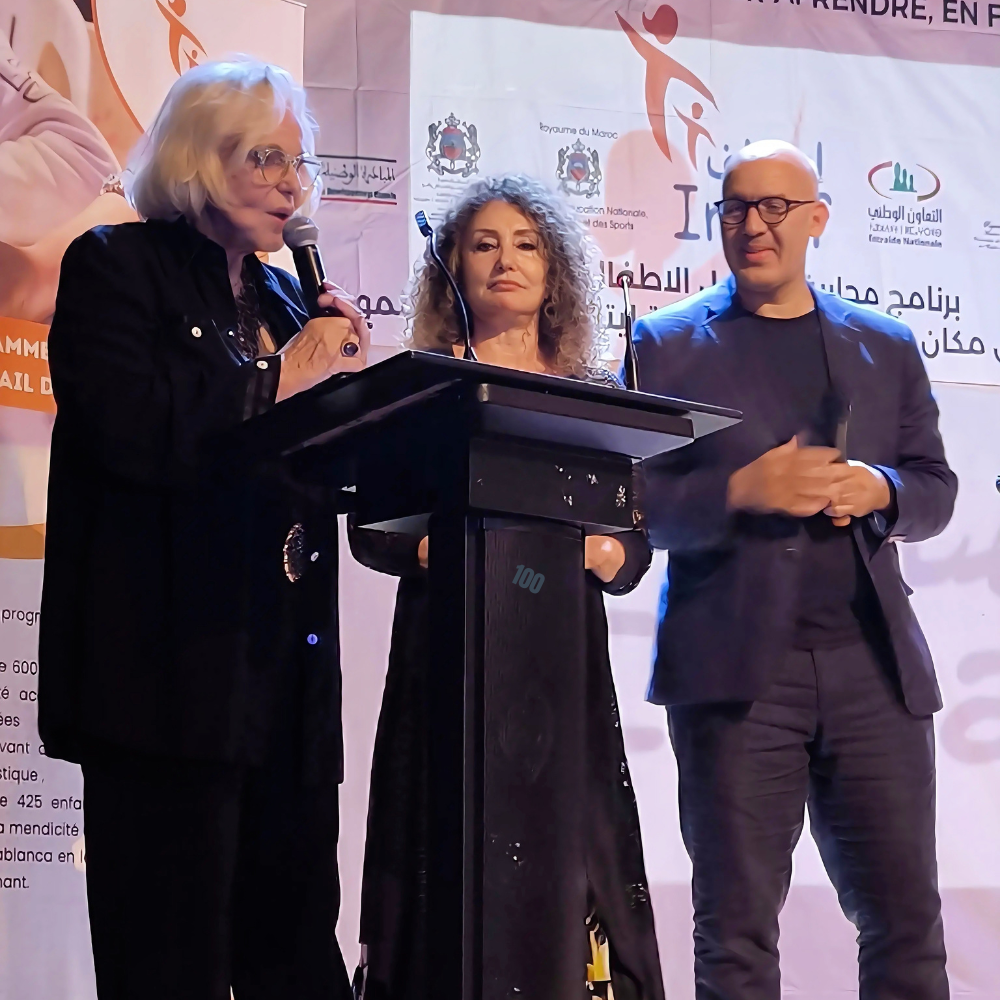
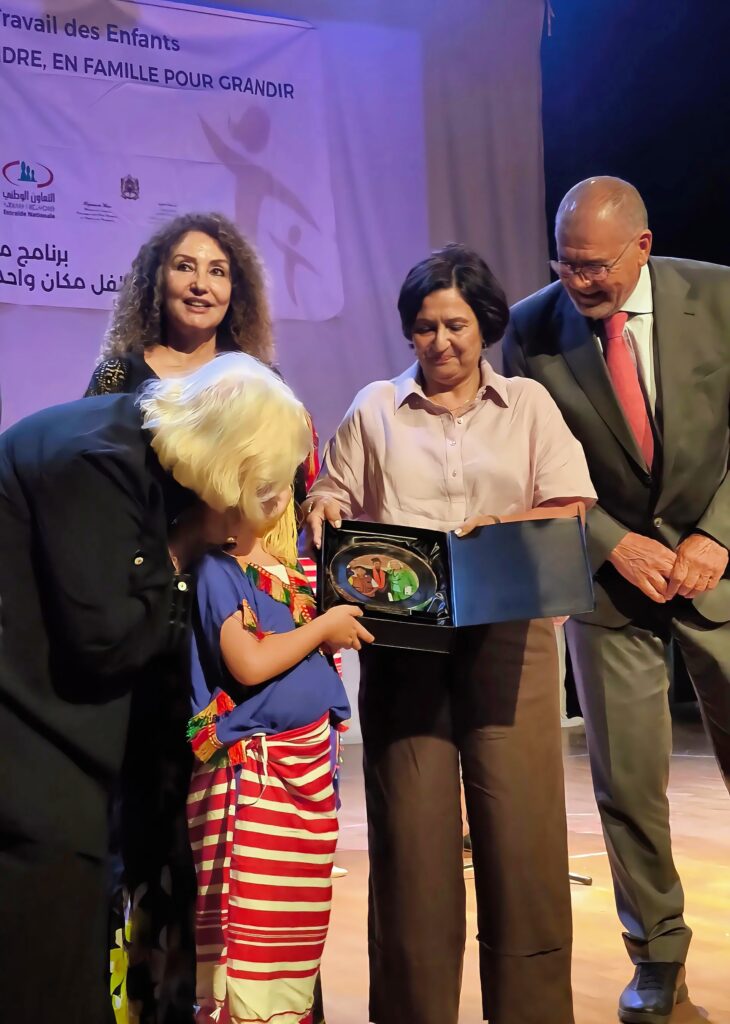
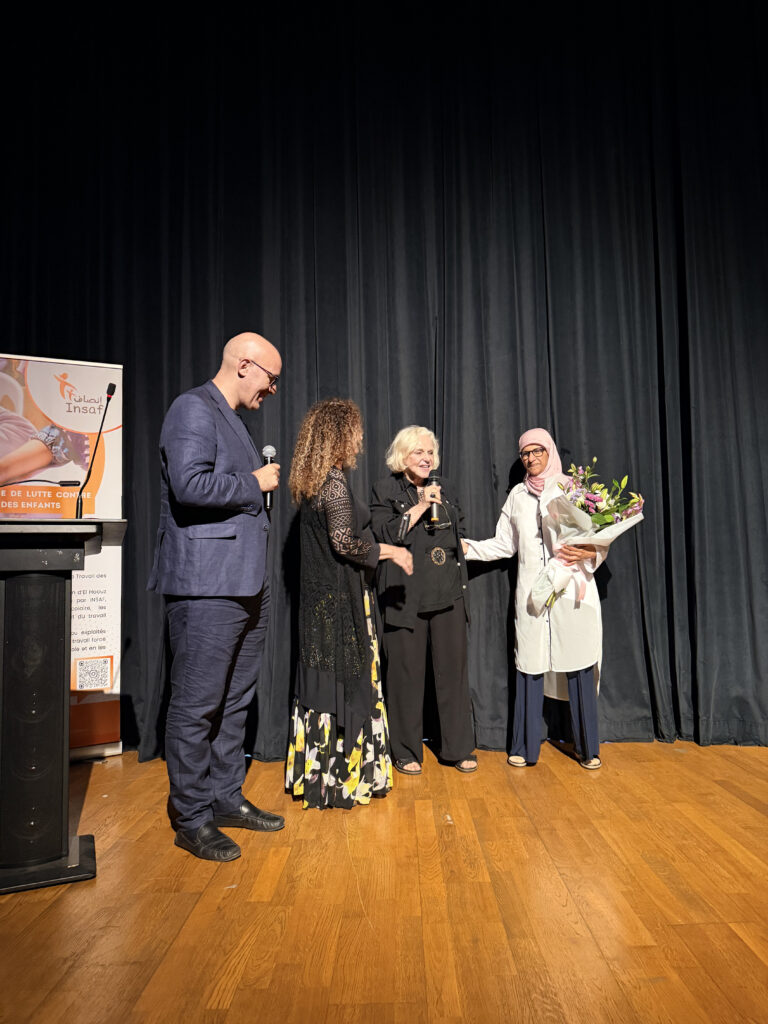
The Moroccan association INSAF gathered civil society leaders, partners, institutions and members of the press in Casablanca on June 24, 2026. The event, held at the Oum Keltoum Foundation theatre in Sidi Moumen, marked a significant moment in the organization’s decades-long fight against child labor in Morocco. INSAF used the occasion to share concrete results and reaffirm its commitment to protecting vulnerable children across the country.
A Persistent Challenge, A Structured Response
Despite notable progress in recent years, many children in Morocco are still forced to work under extremely difficult conditions. This reality remains at the heart of INSAF’s mission. For more than twenty years, the association has built a continuous and structured response to the issue, moving beyond short-term intervention toward lasting change.
The numbers presented during the event reflect this long-term commitment. More than 1,000 children have been removed from forced labor since the program began. Today, 425 children are currently supported through the initiative, with a school success rate reaching 90 percent. These figures illustrate not only reach, but also the durability of INSAF’s approach.
A Methodology Built on Four Pillars
During the conference, INSAF detailed the methodology behind its results. The model rests on four essential pillars, each designed to address the root causes of child exploitation rather than its symptoms.
The first pillar preserves family unity. Children are never separated from their families, since lasting change must happen within the household itself. The second pillar offers economic support to parents. Families receive a monthly allowance of 300 dirhams, equivalent to 3,600 dirhams a year, to offset the income lost when a child stops working.
The third pillar focuses on long-term guidance. Children benefit from educational and social follow-up for more than ten years, until they reach a stable life path, whether through higher education or professional training. Finally, the fourth pillar facilitates access to social rights. Families are supported in obtaining essential benefits such as the Mandatory Health Insurance and state financial aid of up to 500 dirhams per month.
Together, these four pillars form a model centered on the dignity of the child and the shared responsibility of society as a whole.
A Sponsorship Model Anyone Can Join
Beyond outlining its methodology, INSAF also presented a clear and accessible way for individuals to get involved. A yearly sponsorship of 10,000 dirhams, sustained over a minimum of three years, covers the complete support of one child.
This contribution funds several essential elements. It includes monthly financial support for families, school enrollment, supplies and tutoring, medical and psychological follow-up, social and administrative guidance, as well as educational and extracurricular activities. Thanks to additional partnerships and in-kind donations, INSAF is able to stretch every contribution further, maximizing its impact on the ground.
A Call for Continued Mobilization
As of today, 100 sponsorships are still needed to support new children and expand the program, particularly in vulnerable areas such as Lahraouine. Each new commitment represents a real opportunity to change the course of a child’s life and break the cycle of precarity for good.
Moving the Fight Forward
INSAF’s work stands as a reminder that ending child labor in Morocco requires patience, structure and sustained collective effort. Through its four-pillar model and its call for new sponsors, the association continues to turn awareness into measurable change, one child at a time.
 © 2025 NIGHTY MAGAZINE . All Rights Reserved.