
BAD BUNNY X ZARA, The Collection That Has Everyone Talking
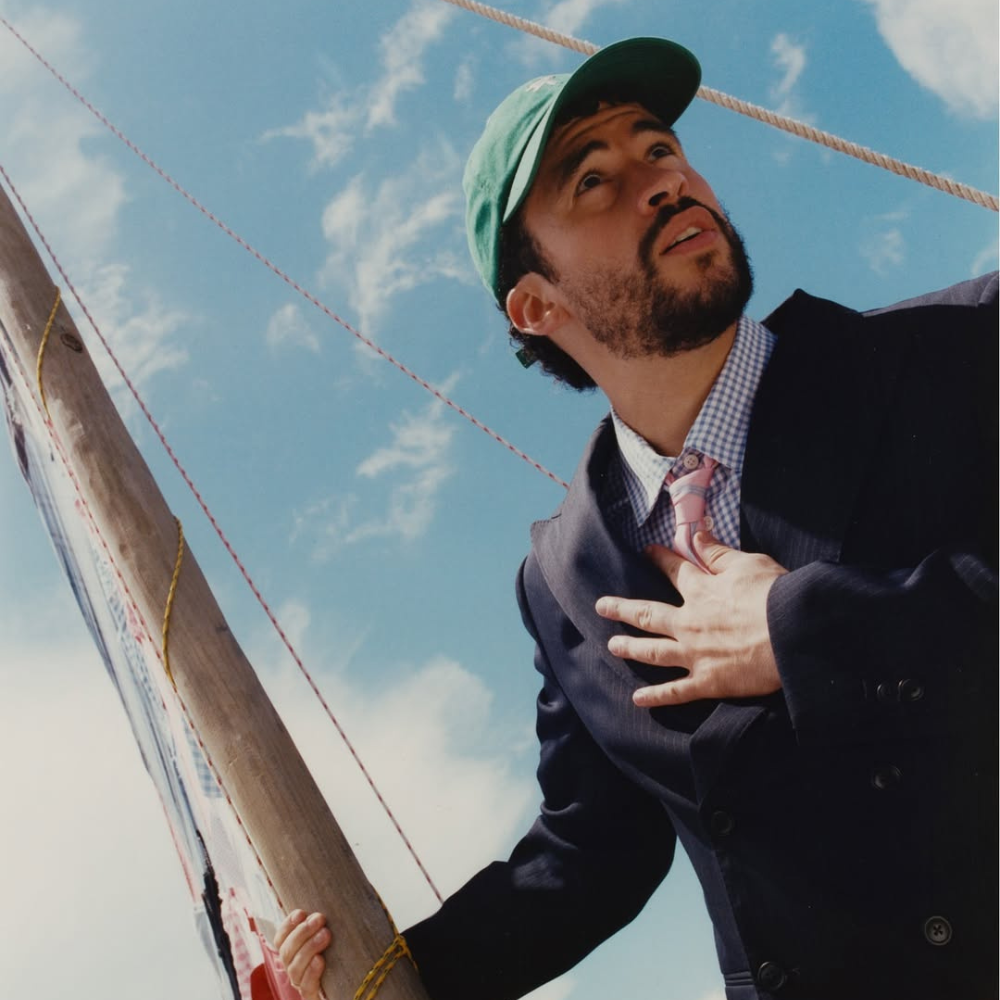
He shut down the Super Bowl halftime show in February draped in head-to-toe Zara. He climbed the steps of the Met Gala in May, transformed into an elderly character for the Art and Fashion theme, wearing the Spanish retailer once again. And now, Bad Bunny born Benito Antonio Martínez Ocasio has made it official: a capsule collection bearing his real name, Benito Antonio, launching in partnership with Zara.
The announcement dropped on May 17, 2026, and the pieces became available across Zara’s sales channels on May 21. Fashion, as we know it, has not been the same since.
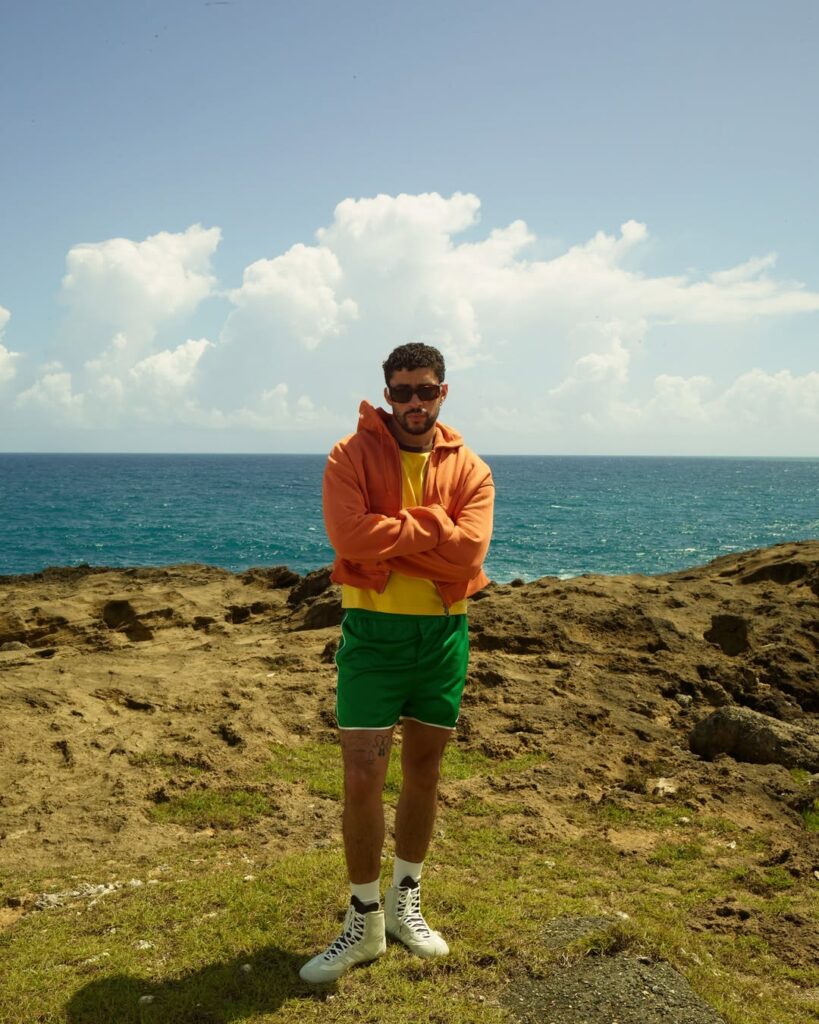
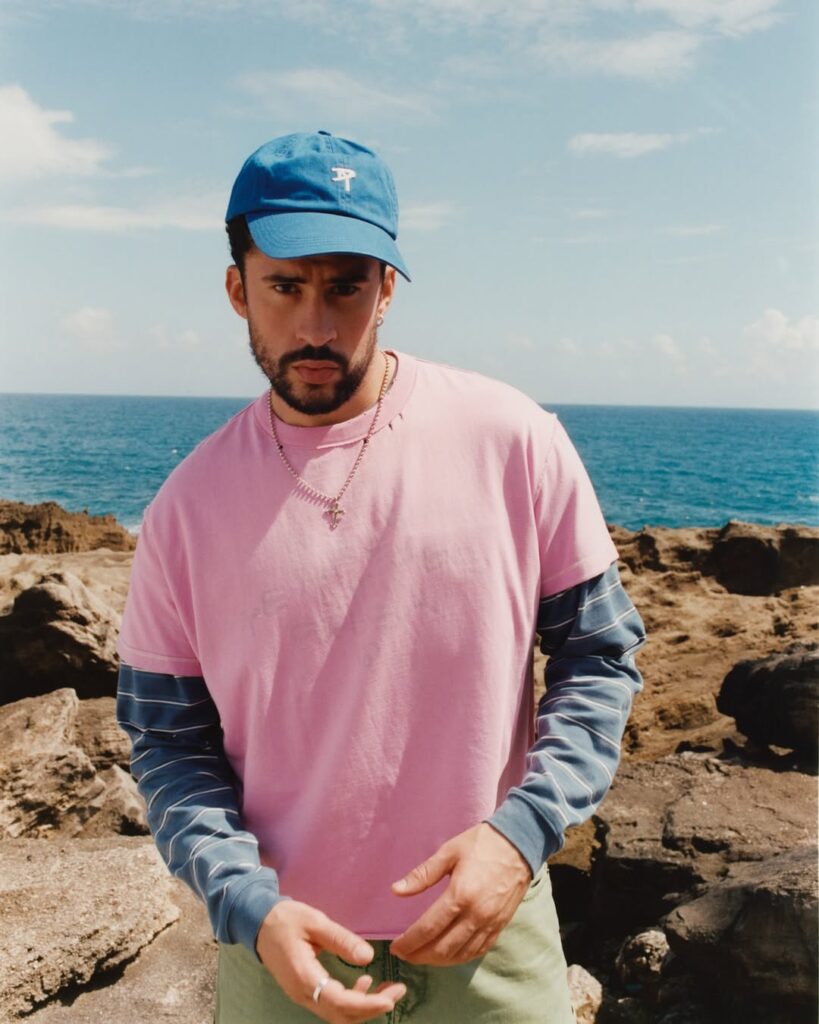
The Artist Who Became Fashion’s Most Unexpected Voice
Bad Bunny has never played by anyone else’s rules, and his relationship with fashion is no different. While most artists of his calibre align themselves with heritage luxury houses or emerging couture names, the Puerto Rican superstar chose Zara — not once, not quietly, but twice on the world’s most-watched stages. It is a statement that says everything without saying a word.
His cultural weight is impossible to overstate. When Spotify released its all-time streaming rankings to mark the platform’s 20th anniversary, Bad Bunny landed in second place, trailing only Taylor Swift. His 2022 album Un Verano Sin Ti holds the record as the most-streamed album in Spotify history. When someone of that magnitude wears your label to the Super Bowl and the Met Gala, the conversation shifts instantly from clothing to culture.
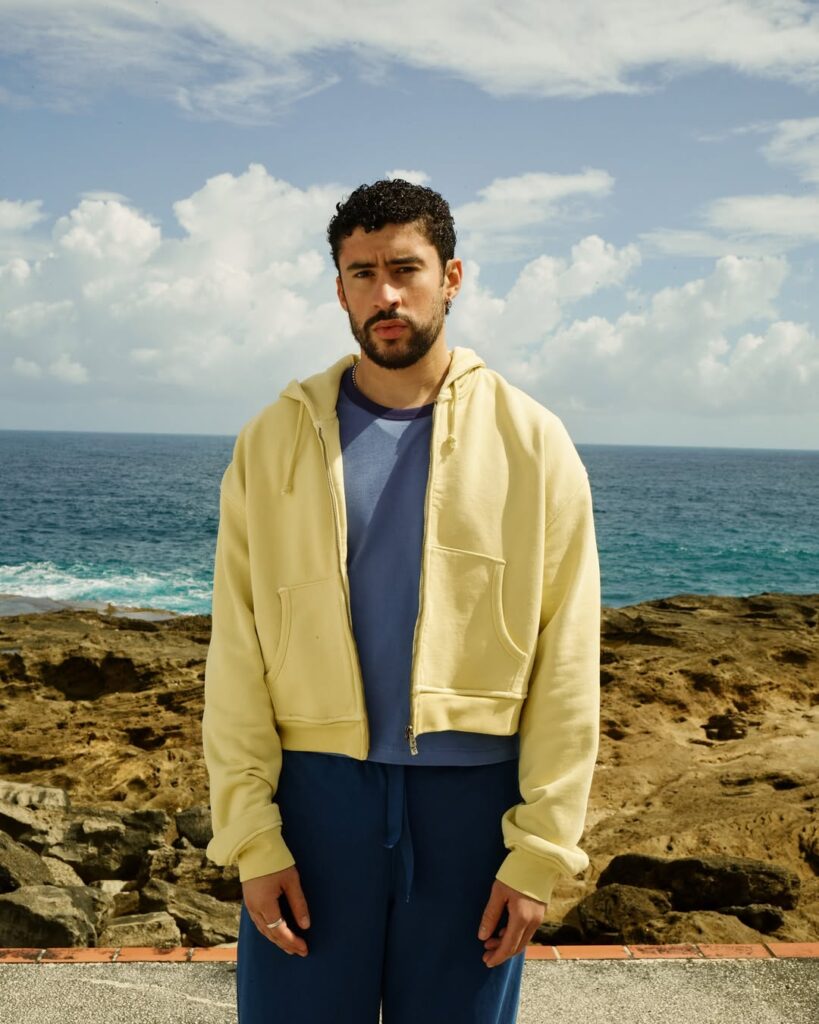
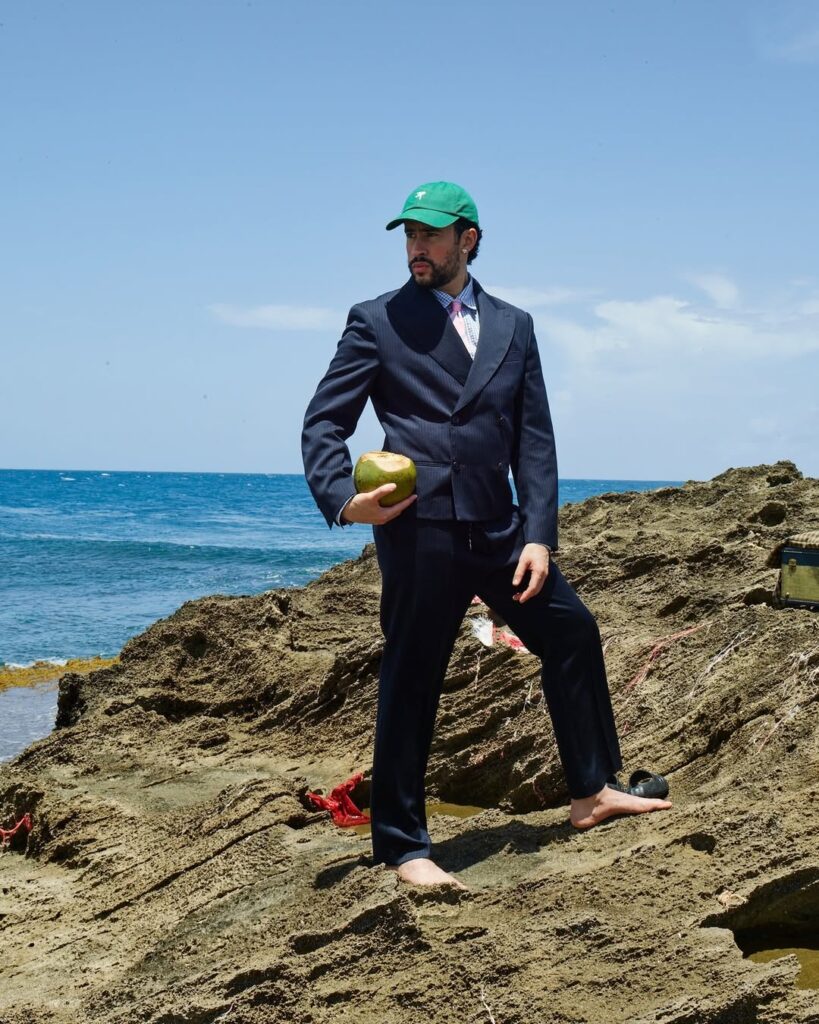
Benito Antonio: A Collection That Carries a Name
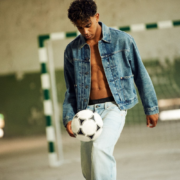
Named after the artist’s given name, the Benito Antonio capsule collection is designed for men and carries the aesthetic DNA one would expect from an artist who has always blurred the lines between Latin roots, streetwear sensibility, and high-fashion instinct. It is personal. It is intentional. And in the current landscape of celebrity collaborations that often feel algorithmically generated, it feels refreshingly real.
Zara, for its part, has been quietly and not so quietly repositioning itself. The label recently announced a two-year creative partnership with John Galliano, one of fashion’s most mythologised minds, who will dive into the brand’s archives to develop something new. And this week, Stella McCartney returned to H&M for a collaboration 21 years in the making. The boundaries between mass-market and luxury are dissolving, and Zara is one of the brands most aggressively navigating that shift.
The Numbers Behind the Name
Beyond the cultural currency, there is hard commercial logic. According to Kantar’s latest report, Zara has become the most valuable fashion brand in the world, surpassing 44 billion dollars in brand value with an 18% annual growth rate — overtaking Nike, which now sits in second place at just over 41 billion dollars. Pairing that kind of commercial dominance with the planet’s second most-streamed artist creates a collision of influence that few campaigns could rival.
The Question Fashion Cannot Stop Asking
Of course, not everyone has applauded. When Bad Bunny ascended the Met Gala steps in Zara, criticism surfaced quickly, voices lamenting the absence of couture, of independent designers who might have used that spotlight to break through. The debate runs deeper than aesthetics. Zara has been working hard to elevate its image, but its critics remind the industry that image and ethics are not the same thing. The brand remains one of the founding forces of fast fashion, and no capsule collection, however culturally loaded, changes the mechanics of how it produces.
It is a tension that fashion is grappling with at every level right now, the same conversation that surrounds H&M’s reunion with Stella McCartney, the same question that haunts every luxury-adjacent collaboration with a mass-market giant. Dressing up the window does not necessarily change what is inside.

 © 2025 NIGHTY MAGAZINE . All Rights Reserved.