
Fatime Zahra Morjani Imagines an Extinct Plant’s Return in “Biosphaerae” at Galerie Shart
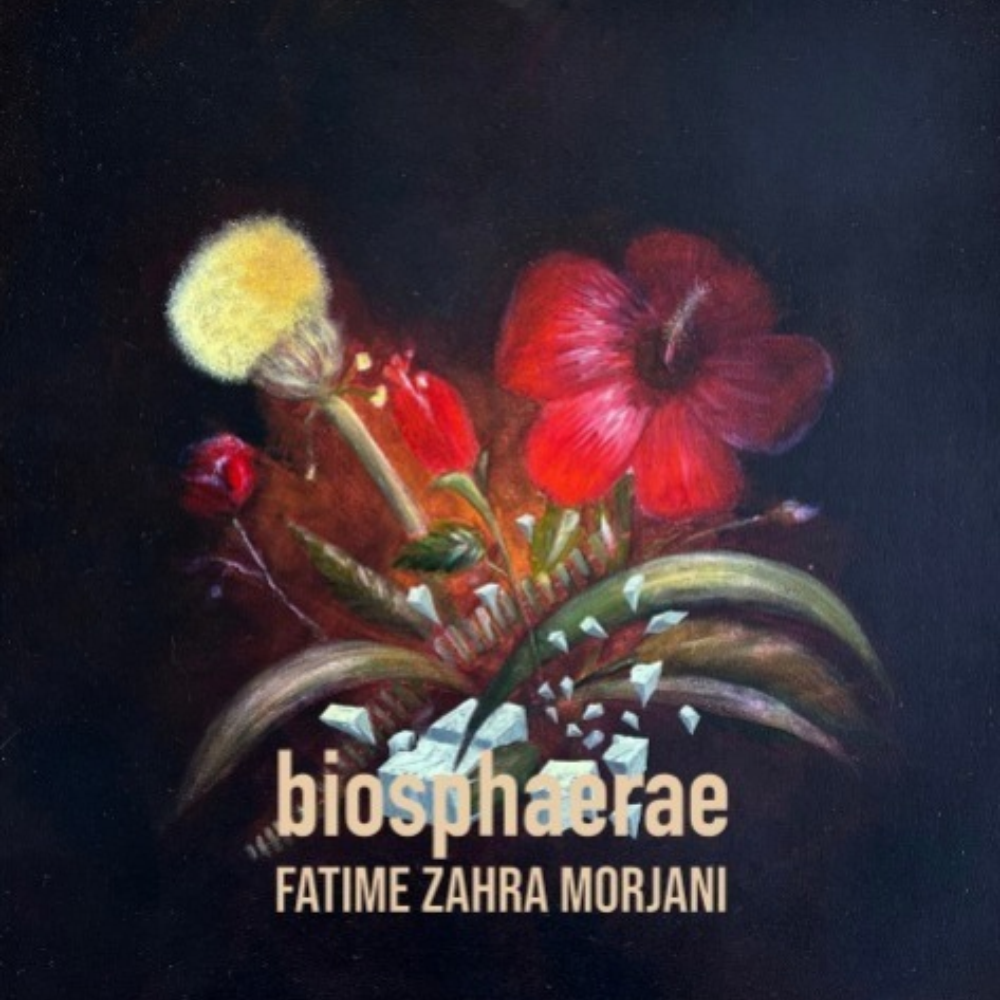
What remains of a plant after it disappears? For Moroccan artist Fatime Zahra Morjani, absence becomes the starting point for imagining its return. From 15 October to 14 November 2026, Galerie Shart in Casablanca presents her solo exhibition, “Biosphaerae.” Through oil paintings and an ephemeral installation, she explores how human activity shapes the living world and the memories it leaves behind.
Inside the Biosphaerae Exhibition
Following “Analogies,” presented at the same gallery in 2024, Morjani continues her exploration of plants as archives of environmental change. This time, the Biosphaerae exhibition centres on silphium, a plant associated with ancient Cyrenaica in North Africa. However, its imagined reappearance places this ancient botanical story within the landscapes of contemporary life.
A Plant That Outlived Itself in Images
Prized in antiquity for its medicinal and culinary uses, silphium held considerable economic value. Its image appeared on the coins of Cyrene, preserving a visual trace beyond its reported disappearance around Nero’s reign. Ancient accounts connect its loss with exploitation and environmental change. Consequently, its story offers Morjani a way to examine the relationships between natural resources, wealth and power.
Nature Returns Between the Paving Stones
Drawing on ancient descriptions, Morjani reconstructs silphium and imagines how two thousand years of absence might have transformed it. In her works, it emerges between paving stones and within gaps in the built environment. Here, the city becomes a place of possible resurgence. Rather than illustrating a botanical recovery, these scenes invite reflection on the spaces humans occupy and the living forms that might reclaim them.
The Fern as a Counterpoint
Alongside silphium, the fern introduces another relationship with time. Where one plant evokes disappearance, the other suggests persistence across the ages. Together, they bring loss and continuity into conversation. Yet their encounter also raises a quieter question: why do some forms of life endure while others survive principally through images and stories?

An Artistic Practice Rooted in Place
Trained as an architect, Morjani was born in Morocco and lives in Rabat. Her experiences across Morocco, Ethiopia and Poland have informed a multidisciplinary practice encompassing painting, drawing, cyanotype, experimental photography and installation. Moreover, her concept of “landscape taxidermy” involves collecting, fixing and recomposing vegetal forms on painted or photosensitive surfaces. Plants become both material and a means of observing human relationships with territory.
Looking Beyond Disappearance
Ultimately, the Biosphaerae exhibition brings an ancient absence into the present. Its imagined plants encourage visitors to consider what remains when environments change and species disappear. At Galerie Shart, Morjani gives that reflection a tangible form, inviting us to look more closely at the life surrounding us.

 © 2025 NIGHTY MAGAZINE . All Rights Reserved.