
Comediablanca 2026: When Casablanca Became the Capital of Laughter
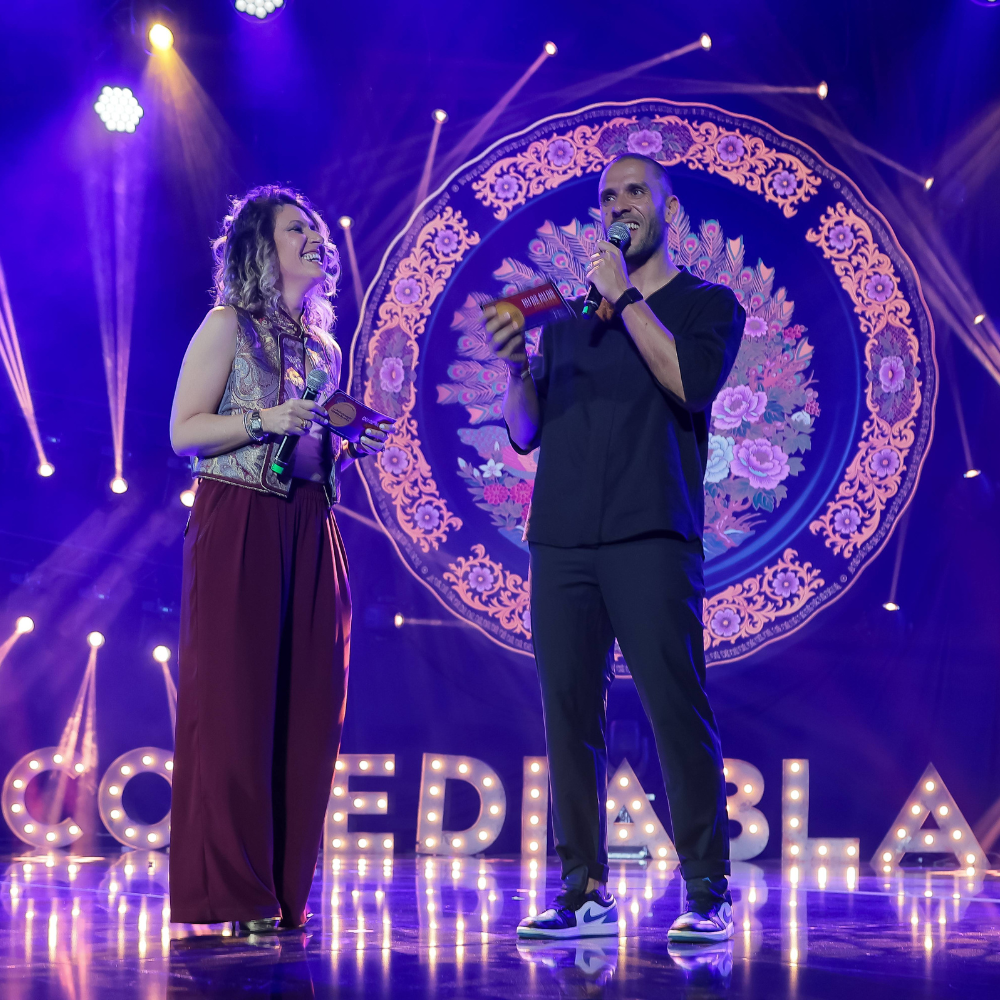
It lasted five days. It gathered 15,000 spectators. And when the curtain fell on the third edition of Comediablanca, on the night of June 6th, something had clearly shifted. What started as a bold bet on humor as a cultural force has quietly grown into one of North Africa’s most anticipated festivals,cementing Casablanca’s place on the map of creative capitals.
A Festival That Has Found Its Voice
Three editions in, Comediablanca is no longer searching for its identity. The 2026 format felt deliberate and assured: three nights of stand-up performances paired with two days of free masterclasses, creating a rare rhythm that balanced entertainment with transmission. The addition of artistic direction by Amir Rouani gave the entire event a visual and theatrical coherence that elevated it beyond the usual festival experience. The result was something more layered than a comedy show and more joyful than a cultural forum.
The Lineup
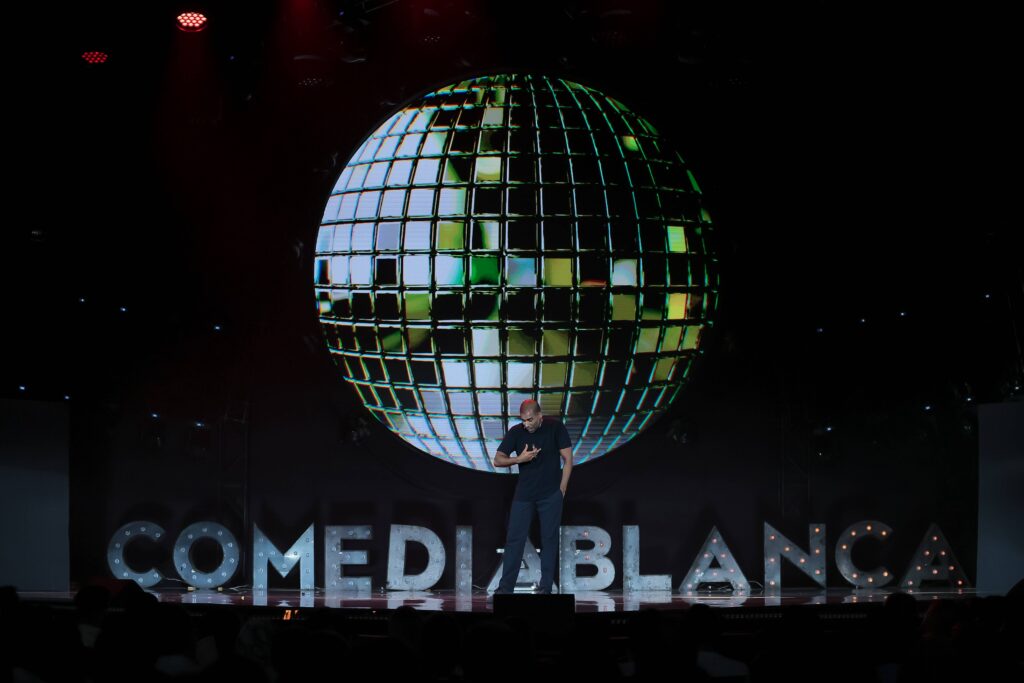
The programming spanned generations and borders. June 4th opened with an all-Moroccan gala hosted by Taliss, gathering a strong local cast including Oussama Ramzi, Saïd & Wadie, Ayoub Idri, Fadwa Taleb, Rachid Rafik, Driss Mehdi, Fatih Mohamed, Wahiba Bouya and Zouhair Zair. June 5th belonged to Jalil Tijani, whose performance drew an emotional response that lingered well past the final set. The festival closed on June 6th with a Francophone gala that brought together Moroccan and international talent, featuring Kheiron, Inès Reg, Mehdi Bousaidan, Mimo Lazrak, Laurie Peret, Doully, John Sulo and Hamaka in a finale that felt both celebratory and ambitious.
Transmission as a Pillar
One of the more quietly significant aspects of this edition was the educational programming. The masterclasses held on June 2nd and 3rd attracted real interest, with figures like Taliss, Jalil Tijani, Amir Rouani and Mouna Fettou opening up conversations about the craft of comedy and the realities of creative careers. That the sessions were free and open to the public speaks to the festival’s commitment to nurturing the next generation of Moroccan comedic voices, not just showcasing the established ones.
Beyond the Stage
The experiential village running alongside the main programming added another dimension to the festival’s appeal. A food court, gaming zone, and various interactive spaces transformed the venue into a social environment where the festival became, in its own way, a gathering place for the city. Generations mixed. Conversations happened. The kind of collective memory that a city carries was, quietly, being made.
A City, A Stage
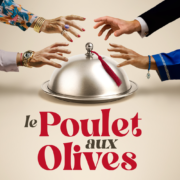
“More than 15,000 festival-goers shared the Comediablanca adventure with us,” said co-founders Myriam Bouayad Amine and Saad Lahjouji Idrissi in a joint statement. “Beyond the numbers, what we will remember most are the faces lighting up, generations laughing side by side, and those simple moments of happiness that remind us every evening why we created this festival.”
With a growing international footprint already extending to Paris and Brussels, and an audience that continues to grow, Comediablanca is no longer a local success story. It is a cultural project with real ambitions, and Casablanca, for five days in June, was unambiguously its stage.
 © 2025 NIGHTY MAGAZINE . All Rights Reserved.