
Dolce Vita à Mogador 2026: When Cinema Becomes a Bridge Between Italy and Morocco
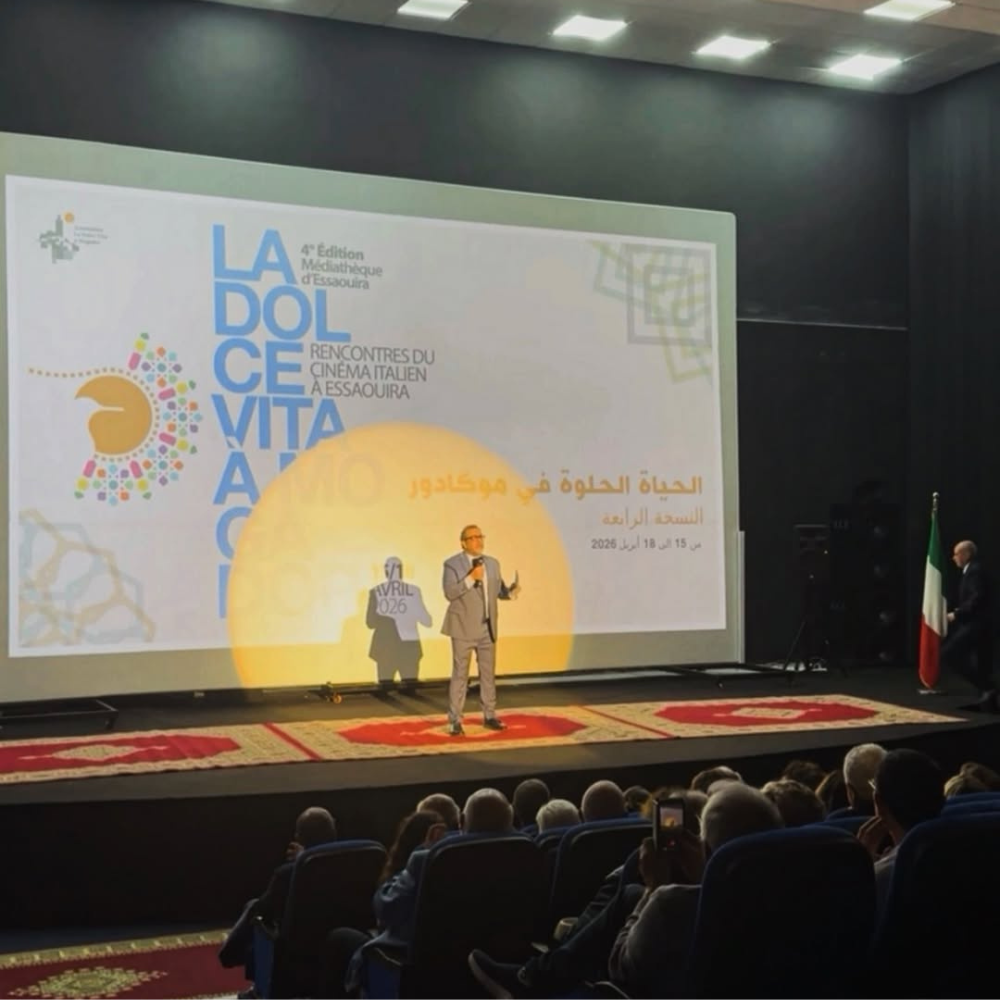
In the heart of Essaouira, where Atlantic winds meet centuries of cultural exchange, the fourth edition of Dolce Vita à Mogador has once again confirmed its unique position on the international cultural scene. More than just a film festival, the event has evolved into a meaningful platform of dialogue between Italy and Morocco, blending cinema, education, and human connection.
A Festival Built Beyond Convention
What makes Dolce Vita à Mogador stand apart is not only its curated programming, but its origin story. Born organically around conversations between friends, the festival has grown outside traditional institutional frameworks, gaining credibility through authenticity and passion. Today, it stands as a recognized space for intercultural exchange, supported by key cultural actors yet retaining its independent spirit.
Over four days, Essaouira welcomed nearly 3,000 spectators, with an additional 650 students attending dedicated screenings and masterclasses. The result is a rare atmosphere where cinema is not consumed passively but experienced collectively.
Italian Cinema Meets Moroccan Audiences
At its core, the festival is a celebration of Italian cinema in dialogue with Moroccan audiences. Through 10 public screenings, premieres, and curated encounters, filmmakers and spectators engaged in direct, meaningful exchanges.
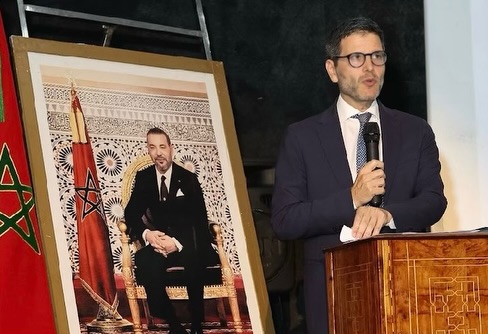
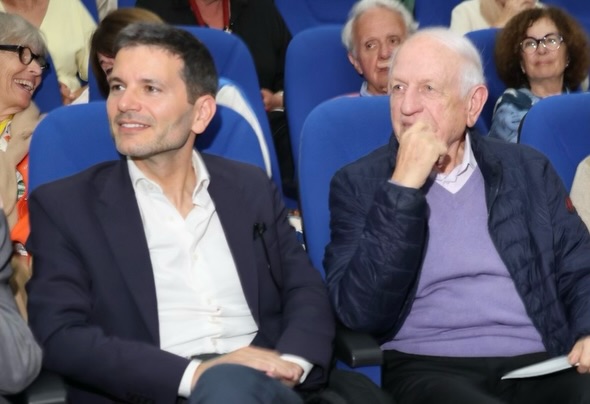
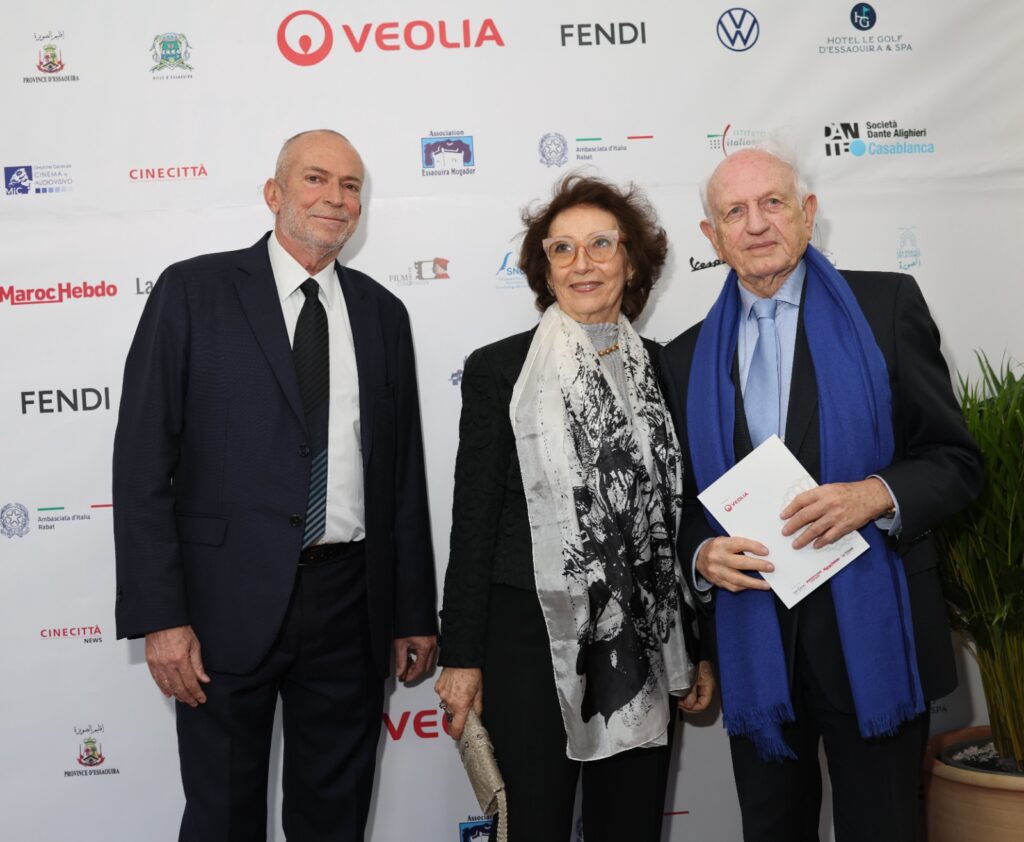
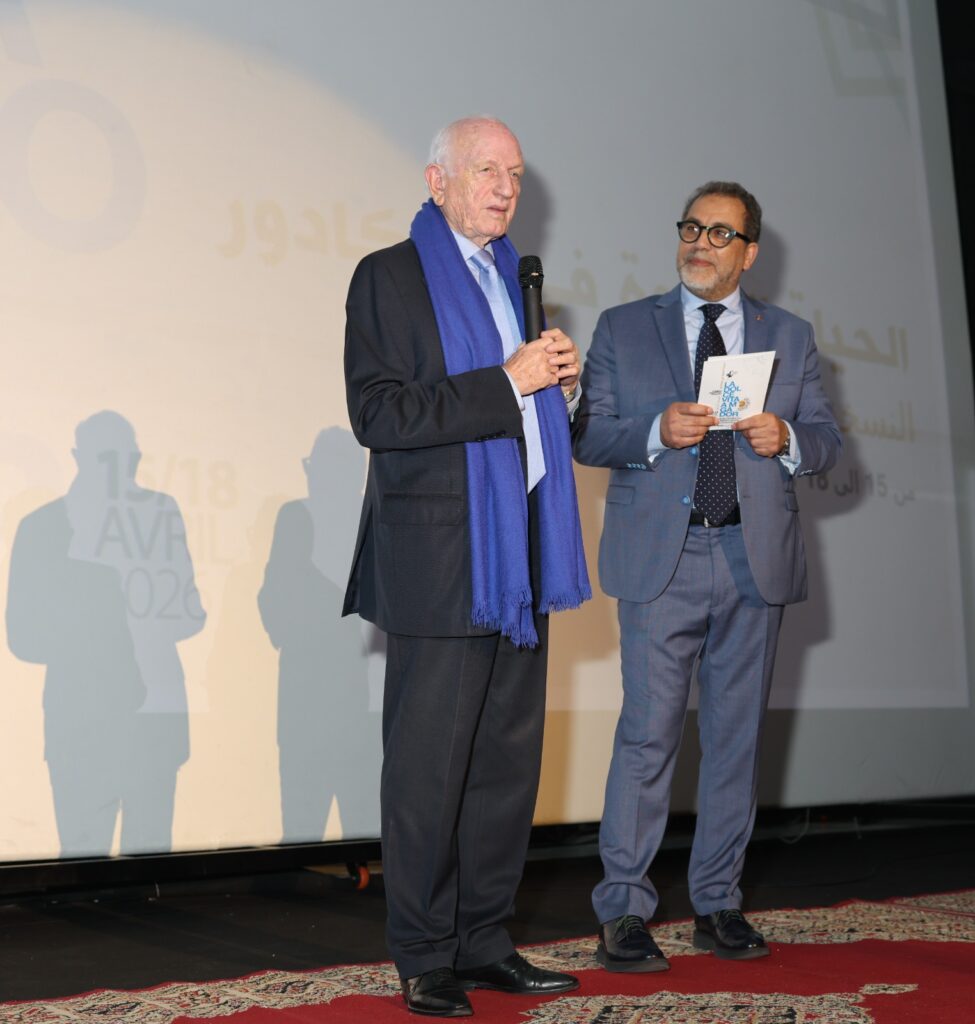
This dynamic goes beyond cultural showcase. It becomes a two-way conversation where Italian storytelling is both shared and reinterpreted through Moroccan perspectives. The presence of prominent figures such as André Azoulay during the closing ceremony further highlighted the importance of this initiative within a broader vision of cultural cooperation.
A Strong Focus on Youth and Transmission
One of the most compelling aspects of Dolce Vita à Mogador lies in its educational dimension. The festival actively invests in the next generation through workshops, masterclasses, and a short film competition that attracted around 100 young talents.
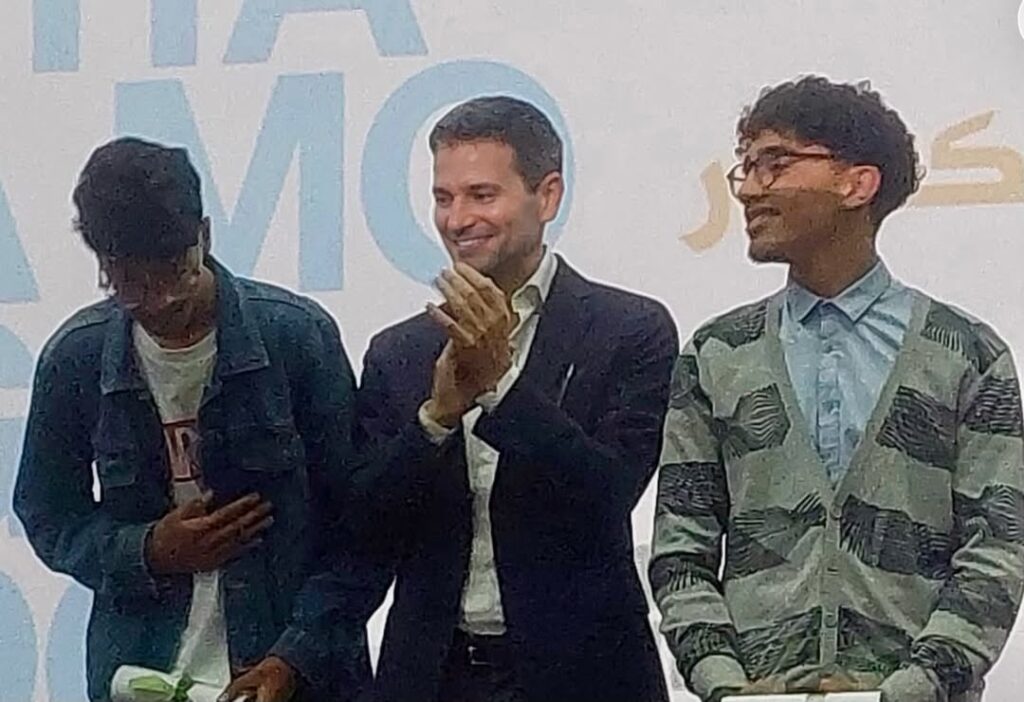
Students are not mere spectators. They are participants, creators, and emerging voices. The recognition of young filmmakers during the awards ceremony reflects the festival’s commitment to nurturing talent and creating tangible opportunities for growth.
Cinema as a Human Experience
Beyond numbers and programming, Dolce Vita à Mogador distinguishes itself through its human scale. Here, cinema becomes a shared experience, intimate and accessible. Conversations flow naturally between directors, actors, students, and audiences, creating a space where artistic exchange feels genuine.
This philosophy aligns perfectly with Essaouira itself. Historically open and culturally diverse, the city offers an ideal setting for such an initiative. Its legacy as a cinematic destination, from classic productions to contemporary projects, reinforces its role as a natural stage for storytelling.

Strengthening Cultural Ties Between Nations
Supported by institutions such as the Italian Embassy, cultural organizations, and Moroccan partners, the festival contributes to a growing network of cooperation between the two countries.
In a global context often marked by fragmentation, Dolce Vita à Mogador stands as a reminder of the power of culture to connect societies. It is not simply about showcasing films, but about building lasting relationships through shared narratives.
Looking Ahead to the Fifth Edition
As the fourth edition comes to a close, one thing is clear: Dolce Vita à Mogador is no longer an emerging initiative. It is an established cultural rendezvous with a distinct identity, rooted in dialogue, education, and authenticity.
The next chapter is already on the horizon. And in Essaouira, where cultures have always met, the fifth edition promises to continue shaping a space where cinema is not just seen, but truly experienced.

 © 2025 NIGHTY MAGAZINE . All Rights Reserved.